Best Kidney Transplant Center in India CKD and Urology India
RIRS Retrograde Intrarenal Surgery
A completely scarless, no-incision procedure to remove kidney stones using a flexible ureteroscope passed naturally through the urinary tract no cuts, no stitches.
What is RIRS?
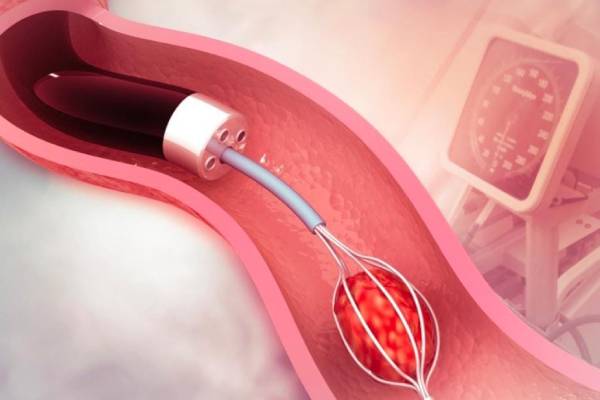
Retrograde Intrarenal Surgery (RIRS) is an advanced, completely scarless procedure for removing kidney stones. A thin, flexible ureteroscope is passed naturally through the urethra and ureter without any skin incision to reach and treat stones directly inside the kidney.
Once inside, a laser fibre breaks the stone into fine dust or tiny fragments that either pass naturally or are extracted. RIRS is ideal for patients who want an effective, minimally invasive option with the fastest possible recovery.
💡 RIRS is the most patient-friendly kidney stone surgery no cuts, no stitches, no external scars. It's preferred for stones up to 2 cm and for patients who cannot tolerate more invasive procedures.
How Does RIRS Work?
Flexible Ureteroscope
A pencil-thin, flexible camera (ureteroscope) is passed naturally through the urethra no skin cuts. It bends in all directions to reach even the most complex stone locations inside the kidney.
Holmium Laser Energy
A Holmium laser fibre is passed through the scope. The laser precisely pulverises the stone into fine dust a technique called "dusting" so particles flush out naturally with urine.
Fragment Retrieval
Larger fragments are grasped with a miniature basket retrieval device and removed through the scope channel. The entire procedure leaves no scar on the body.
DJ Stent Placement
A temporary internal stent (DJ stent) is usually placed to keep the ureter open and ensure smooth drainage post-procedure. It is removed via a simple outpatient procedure after 2–4 weeks.

When is RIRS Recommended?
Stones Up to 2 cm
RIRS achieves excellent stone-free rates for renal stones up to 2 cm, particularly in the mid and upper pole of the kidney.
Failed ESWL
Stones that did not respond adequately to shock-wave lithotripsy or that are in locations unfavourable for ESWL.
High-Risk Surgical Patients
Patients with bleeding disorders, obesity, or on blood thinners who cannot safely undergo PCNL or open surgery.
Paediatric Patients
The small calibre instruments and no-incision approach make RIRS ideal for children requiring kidney stone treatment.
Single Functioning Kidney
For patients with a solitary kidney where minimising trauma and preserving function is the top priority.
Radiolucent Stones
Uric acid and other radiolucent stones invisible on X-ray that require direct visualisation and laser treatment.
How is RIRS Performed?
Performed under general or spinal anaesthesia, entirely through the natural urinary passage. No skin incision is made at any point. Total duration is typically 60–90 minutes.
Anaesthesia
General or spinal anaesthesia is administered. Patient is positioned in lithotomy (legs raised) for urethral access.
10–15 minUreteral Access Sheath Placement
A thin access sheath is gently inserted into the ureter through the urethra to allow repeated scope passage and continuous irrigation.
5–10 minFlexible Ureteroscopy
The flexible ureteroscope is advanced through the sheath, up the ureter, and into the renal collecting system to locate the stone.
10–15 minLaser Lithotripsy
Holmium laser energy is applied directly to the stone, pulverising it into fine dust or small fragments with pinpoint precision.
20–40 minFragment Removal & DJ Stent
Fragments retrieved using a basket. A temporary DJ ureteral stent is placed and later removed in clinic after 2–4 weeks.
10–15 minAdvantages of RIRS Surgery
Completely Scarless
No skin incision is made the scope enters entirely through the natural urinary passage, leaving zero external scars.
Laser Precision
Holmium laser targets only the stone with extreme accuracy surrounding kidney tissue is completely unharmed.
Near-Zero Blood Loss
No cutting means virtually no bleeding. Safe even for patients on anticoagulants or with bleeding disorders.
Fastest Recovery
Most patients go home within 24 hours and resume normal activity within 3–5 days the fastest recovery among all stone surgeries.
Access Anywhere in Kidney
The flexible scope bends to reach all calyces upper, mid, and lower pole covering areas even PCNL can struggle with.
Safe for High-Risk Patients
Ideal for elderly, obese, diabetic patients, those on blood thinners, or anyone unsuitable for more invasive surgery.
RIRS vs PCNL vs ESWL
| Feature | RIRS | PCNL | ESWL |
|---|---|---|---|
| Incision | None | 1 cm | None |
| Stone Size | Up to 2 cm | Any | <1.5 cm |
| Stone-Free Rate | ≥ 95% | ≥ 98% | 60–75% |
| Hospital Stay | 1–2 days | 2–3 days | Day-care |
| Recovery | 3–5 days | 1–2 wks | 2–3 days |
| Blood Loss | Minimal | Moderate | None |
| Hard Stones | ✓ Yes | ✓ Yes | ✗ No |
Recovery Timeline
Post-procedure monitoring, catheter removal, oral pain relief. DJ stent in place. Most patients discharged next morning.
Return home and resume light activity. Some urinary discomfort due to DJ stent is normal and managed with medication.
DJ stent removed via a simple, quick outpatient cystoscopy takes just a few minutes, no anaesthesia needed.
Full activity resumes. Imaging to confirm stone clearance. Metabolic workup to prevent future stones.
Why Choose Dr. D K Chughh
Expert Urologist
Dr. D K Chughh has 15+ years of experience and has performed hundreds of RIRS procedures with excellent outcomes.
Advanced Laser Technology
We use the latest Holmium laser platform with pulse-modulated settings delivering maximum stone clearance with minimal thermal damage.
Latest Flexible Ureteroscopes
High-definition, single-use or sterilised reusable scopes for superior visualisation, full deflection, and reduced infection risk.
Complete Stone Workup
Pre-operative metabolic profile and stone analysis to identify root causes and prevent stone recurrence after RIRS.
Personalised Surgical Plan
We evaluate each patient's stone size, location, and health to decide whether RIRS, PCNL, or ESWL is the best choice for them.
Central Delhi Location
Conveniently located in Chittaranjan Park, New Delhi accessible from South Delhi, Noida, Faridabad, and Gurugram.
Frequently Asked Questions
Want a Scarless Kidney Stone Removal?
Consult Dr. D K Chughh to find out if RIRS is right for you. Most patients go home the very next day.